Home Window Replacement & Energy Efficiency
Understanding thermal ratings, installation standards, and heat loss reduction for residential properties across Canada.
Key Topics
What this resource covers
Three areas where window choices have a measurable effect on home performance and heating costs.
Glazing & Thermal Ratings
U-factor, solar heat gain coefficient, and how double- and triple-pane units perform in Canadian climates from Vancouver to Halifax.
Installation Standards
Provincial building codes, air sealing requirements, and what proper flashing and rough-opening prep look like in practice.
Heat Loss & Payback
Where windows rank among building envelope components, how to estimate seasonal energy savings, and what NRCan data shows about retrofit outcomes.
Articles
Detailed guides

How to Choose Energy-Efficient Windows in Canada
A breakdown of glazing types, frame materials, and ENERGY STAR climate zones for Canadian homeowners.
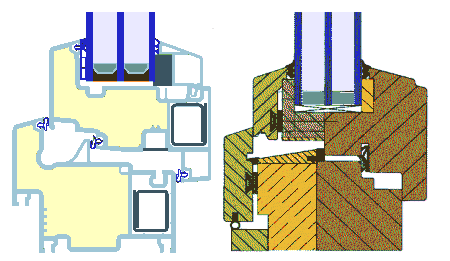
Understanding Window U-Factor and R-Value
What these two numbers mean, how they are measured, and which thresholds apply to different Canadian climate zones.

Window Installation Standards in Canada
Building code requirements, air barrier continuity, and common installation failures that reduce window performance.
Context
Why windows matter in the Canadian climate
Canada's heating-dominated climate means windows are one of the most consequential building envelope decisions for residential energy use.
Windows typically represent between 25% and 30% of residential heat loss in Canadian homes, according to Natural Resources Canada. In cold-climate cities such as Edmonton, Winnipeg, or Whitehorse, the choice between a standard double-pane window and a high-performance triple-pane unit with a low-emissivity coating can translate into a meaningful reduction in annual heating demand.
The National Building Code of Canada and provincial equivalents set minimum thermal performance thresholds for new construction. Retrofit projects, however, are governed differently — homeowners replacing windows in existing buildings must meet energy code requirements in some provinces but not all, which creates variation in the market.
ENERGY STAR Canada divides the country into climate zones and assigns specific U-factor and solar heat gain coefficient requirements to each zone. Products that meet these thresholds carry the ENERGY STAR label and are eligible for certain rebate programs administered at the provincial level.

Diagram of a passive house envelope, illustrating how window placement and insulation interact. Source: Passivhaus Institut, Wikimedia Commons (CC BY-SA 3.0).
25–30%
of home heat loss through windows (NRCan estimate)
5
ENERGY STAR climate zones across Canada
NBC 2020
current National Building Code edition
Contact
Send a message
Questions or corrections about the content on this site can be submitted below.